
Lessons in reviving and running a legacy business with Rachel Wilson
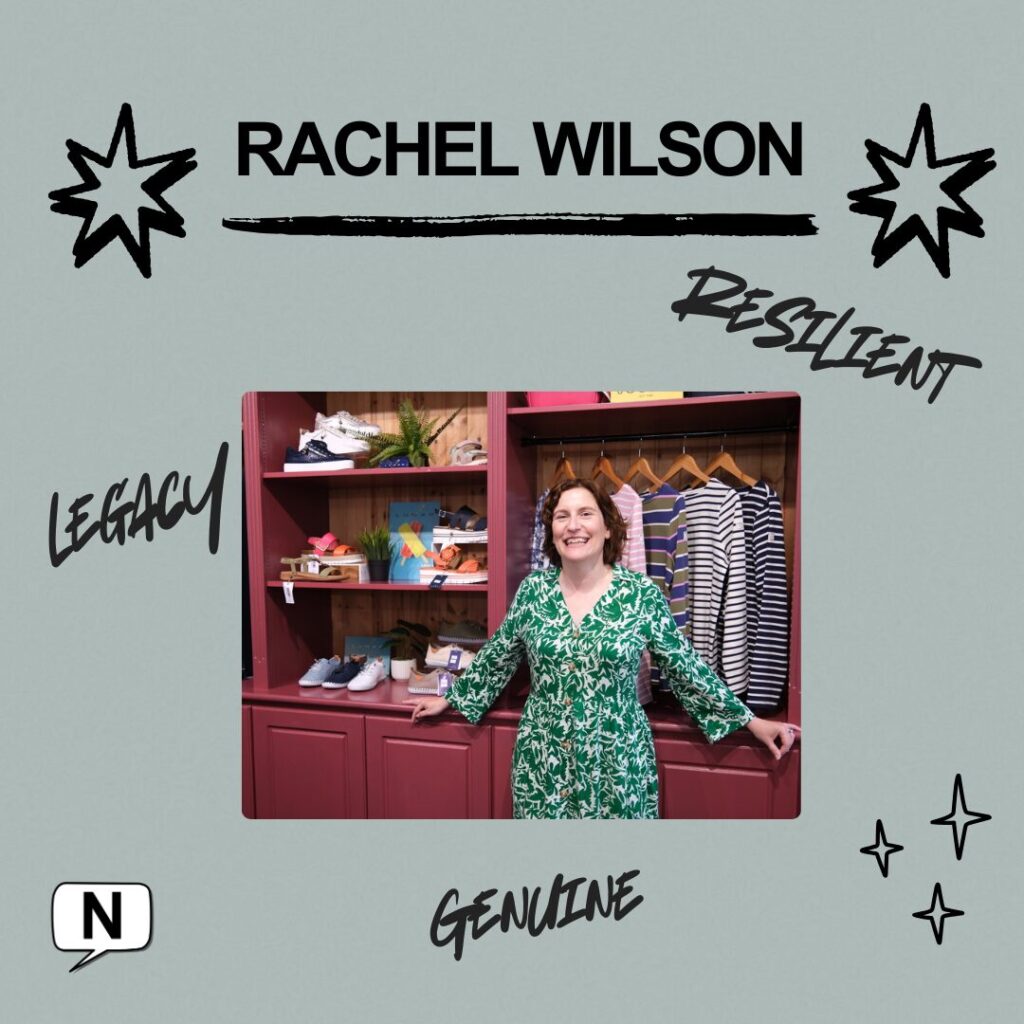
Some businesses are built from nothing. Others already have a hundred years of history behind them – and someone has to decide what to keep, and what to change.
In this edition of Nuwsletter, we sit down with Rachel Wilson, owner of Jobsons of Alnwick.
Rachel didn’t start Jobsons. She inherited a store that began life as a master saddler, its walls still lined with a heritage gallery tracing every business that’s occupied the site since the 1800s. Even now, the building smells of leather first thing in the morning. But taking on that legacy meant more than preserving it – it meant a full refurbishment, a modernised brand mix, and building an online business from scratch, all while keeping the old gas lamps on the wall exactly where the saddlers once worked.
In this interview, Rachel talks about the hardest part of changing what people expect from a business that’s always been there, the risk she wasn’t sure about that paid off, and what she’s learned running an all-women team on a high street that’s had to fight harder than ever to survive.
If you’ve ever wondered what it takes to inherit someone else’s legacy and genuinely make it yours – this one’s for you.
Get to know Rachel Wilson
Based: Alnwick, Northumberland
My Favourite Business Book: Shoe Dog by Phil Knight
My Podcast Recommendation: Political Currency
My Business Hero: Jade Holland Cooper
If I wasn’t a business owner I would of been: A vet
You bought a business with over 100 years of history behind it. Why did you acquire it?
I’ve always loved fashion and retail, my very first job was as a Saturday girl at Woolworths when I was still at school. I shopped at Jobsons myself for a number of years before it was put up for sale by the previous owners. The store and business had such a long and fascinating history, with a strong brand mix and loyal customers that it really was too good an opportunity to miss.
Jobsons started life as a master saddler making equestrian leather goods. What’s it like being the custodian of a business with that much history, while still needing to make it your own?
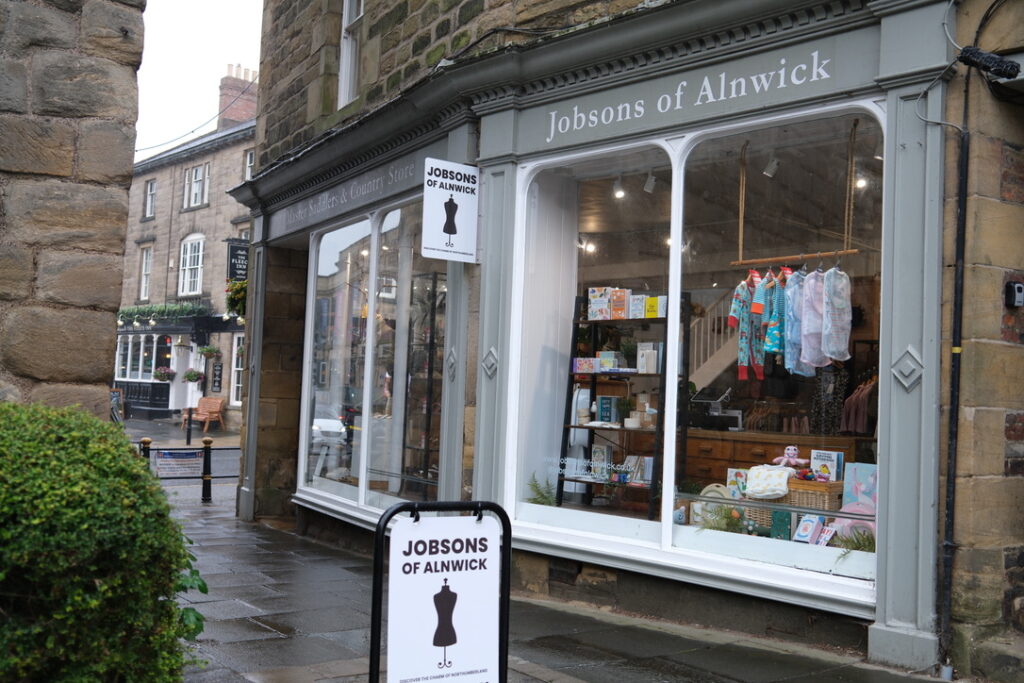
We have a heritage wall in store which showcases photographs of all of the different businesses that have been on site since the 1800s. The store still smells of leather when you open up first thing in the morning, it’s literally in the fabric of the building. We have always been proud of our roots and refer to them often, but we’ve had to move with the times, modernising the offer to include more brands, better sizing and a greater collection of accessories.
What was the first thing you changed after taking over, and what did you deliberately decide not to touch?
The store had a complete refurbishment, with new lighting, flooring and redecoration throughout. We added colour to create a more warm and welcoming atmosphere. The layout of the store is still largely the same, with the old gas lamps still in place upstairs on the walls next to where the saddlers used to work. It is a great feature that customers love to see.
Taking on an established local business is different from starting one from nothing.
What’s a challenge that comes with that, that a founder starting from scratch would never face?
When taking on an established business, it’s harder to change people’s expectations of what you are selling, the brands you stock and why you are changing what you sell. It takes time for people to realise that you have changed things, hopefully for the better.
What’s a decision you made early on that you weren’t sure was right at the time, but you’d stand by completely now?
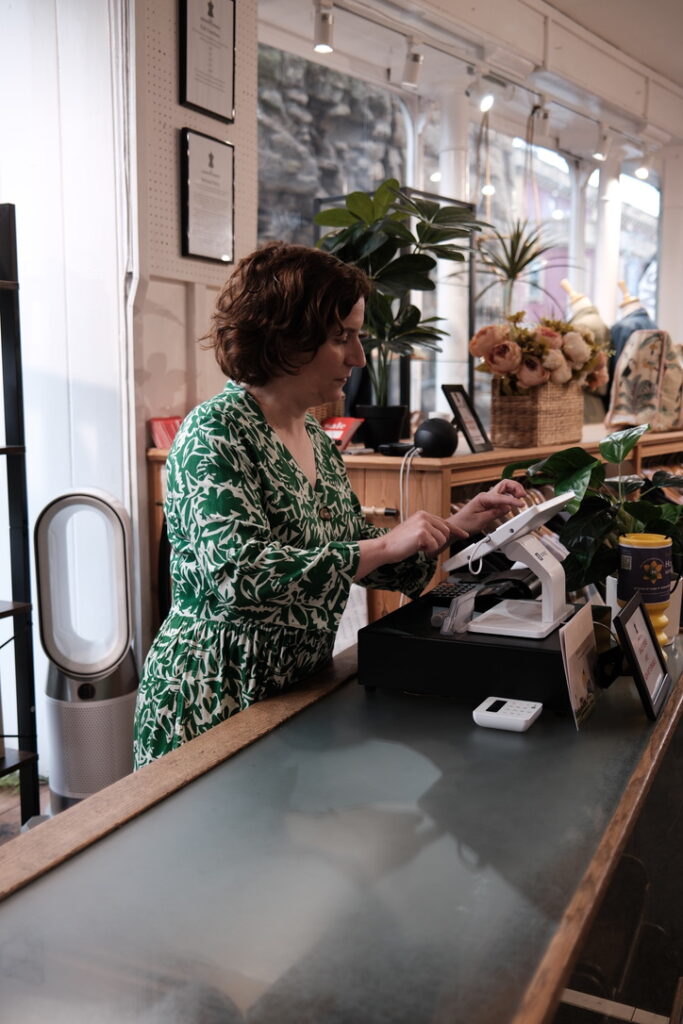
We weren’t sure that an omni channel offer (a physical store and online) would be manageable with such a small local team. But we’ve learned how to automate as much as possible within our processes that it has become easier over time. The use of technology and automation has transformed the business immensely, and our online business (which we established from scratch) is going from strength to strength.
Jobsons is women-owned with an all-women team. Has that shaped the culture of the business in ways you didn’t expect?
I think with an all-women team we are more empathetic to the customers needs than I ever thought possible. We’re a friendly bunch, and we often find that our regulars, often from the older generations, just pop in to visit to catch up and see a familiar face. An all women team allows this to happen, I’m not going to say that we always get on really well, but our relationships are strong enough within the team where we can challenge each other without falling out.
Running a shop on the high street in a small town is a very different challenge to running an online-only brand. What do people underestimate about it?
There’s a huge amount of effort involved with opening a physical store that is just not applicable for an online-only brand. The store needs to be immaculate and inviting at all times. Window displays with new props need updating regularly, and due to the age of our current store, cleaning it is almost a full time job in itself!
What’s the most surprising thing you’ve learned about your customers since taking over?
We’ve met some great, friendly and kind people. They genuinely want us to do well and we regularly receive great reviews and thanks both in personal and on Google. It reminds me regularly of why we do what we do.
What does success look like for Jobsons in five years’ time, and how does that differ from what success looked like on day one?
The current economic situation has hit the high street hard and we’re no exception. We’re constantly assessing our brand mix and the quantities that we purchase, it’s a never-ending cycle of change. We are actively looking for other acquisitions in the region that are similar in brand mix and ethos to our existing business. In 5 years time I would like to think that we have at least 2 more stores in the North East region, but I can’t say anything more at this stage
What advice would you give to someone thinking about buying an existing business rather than starting one from scratch?
Do your research and due diligence. Question all of the information that is presented and take time on the decisions that matter.
Read more interviews
 Interview
Lessons in workplace communication with Liz Atkin
Communication sits at the heart of every successful business, but in today’s workplace, connecting people across…
 Interview
A masterclass in building a scalable, freedom-first business with Lisa Johnson
In this edition of Nuwsletter, we sit down with Lisa Johnson, a leading entrepreneur known for…
 Interview
A recipe for resilience and success with Charlotte Giddings
What happens when a simple recipe, a spark of creativity, and a whole lot of hard…